There is a version of Father’s Day that gets a lot of attention. The ties, the barbecues, the cards with generic sentiments. That version is fine. But there is another version that deserves recognition this year, one that involves a different kind of legacy and a more urgent conversation.
This one is for the fathers who spent 30 years building something.
Not a portfolio. Not a title. A business. A team. A reputation in their community. A payroll that supported other families. A customer base built on trust that took decades to earn. A name on a building, a truck, or a storefront that meant something to the people who depended on it.
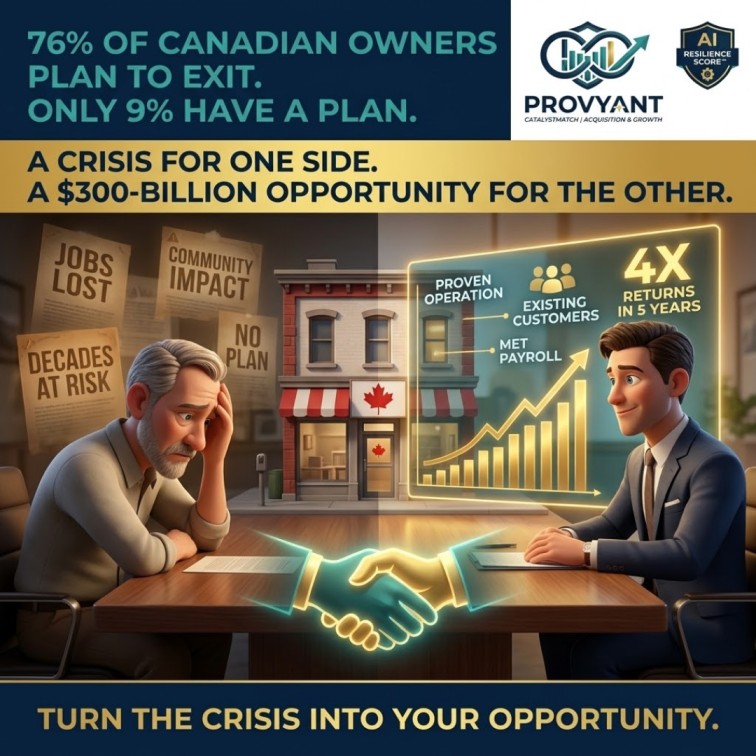
Millions of Baby Boomer fathers built exactly that. And right now, most of them are trying to figure out what happens to it when they are ready to step back, with no succession plan, no qualified buyer, and no clear path forward.
The Legacy Nobody Is Talking About on Father’s Day
The narrative around Father’s Day tends to focus on personal milestones and family relationships. What rarely gets discussed is the professional legacy that many fathers carry into retirement with no clear mechanism for transferring it.
Fewer than 20% of small business owners have a formalised succession plan in place. More than half of all small business owners in the United States are now over the age of 55. 10,000 Baby Boomers retire every single day. Many of them are fathers who built businesses that represent not just their financial security but their life’s work, their identity, and in many cases the primary source of income for dozens of other families.
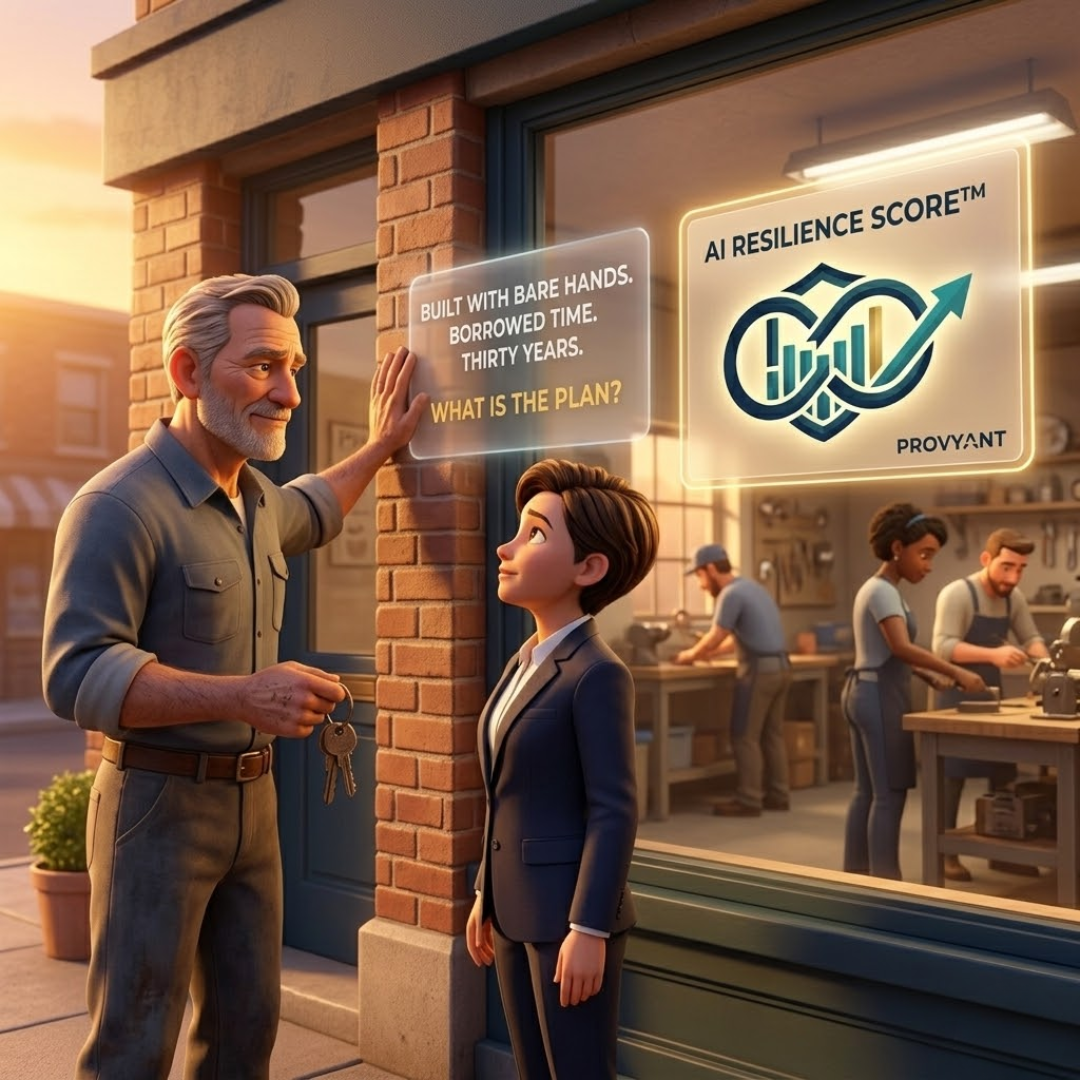
The question nobody is asking them at the Father’s Day table this year is the one that matters most. What is the plan?
What He Built and What It Is Worth
The businesses that Baby Boomer fathers built are not small things. They are the economic infrastructure of local communities across the country. Plumbing companies, accounting practices, manufacturing operations, logistics businesses, retail establishments, construction firms. Businesses that have been operating for decades, that have weathered recessions and supply chain disruptions and technological change, that have survived because the person running them showed up every day and made it work.
These businesses collectively employ more than 62 million Americans and generate nearly $6.5 trillion in annual revenue. Up to $10 trillion in private business assets are expected to change hands over the coming decade as this generation exits. The scale of what these fathers built is genuinely historic. And the scale of what is at risk if those businesses close without a successor is equally significant.
As Provyant has outlined in its analysis of the $10 trillion transfer and the Silver Tsunami already reshaping the small business landscape, the ownership transition wave is not a future event. It is happening right now, and the businesses without a plan are the ones most at risk of closing rather than transferring.
The AI Dimension Most Fathers Have Not Factored In
There is a layer to this conversation that most succession planning frameworks have not yet fully integrated: the role that artificial intelligence is playing in reshaping the value and transferability of the businesses these fathers built.
AI is not uniformly threatening to the kinds of businesses Baby Boomer fathers typically own. Many of the most AI-resistant small business categories, skilled trades, healthcare services, community-based professional practices, maintenance and repair operations, are exactly the kinds of businesses this generation built. But the transferability of those businesses in the current market depends increasingly on whether they have the documentation, systemisation, and operational structure that AI-era buyers expect.
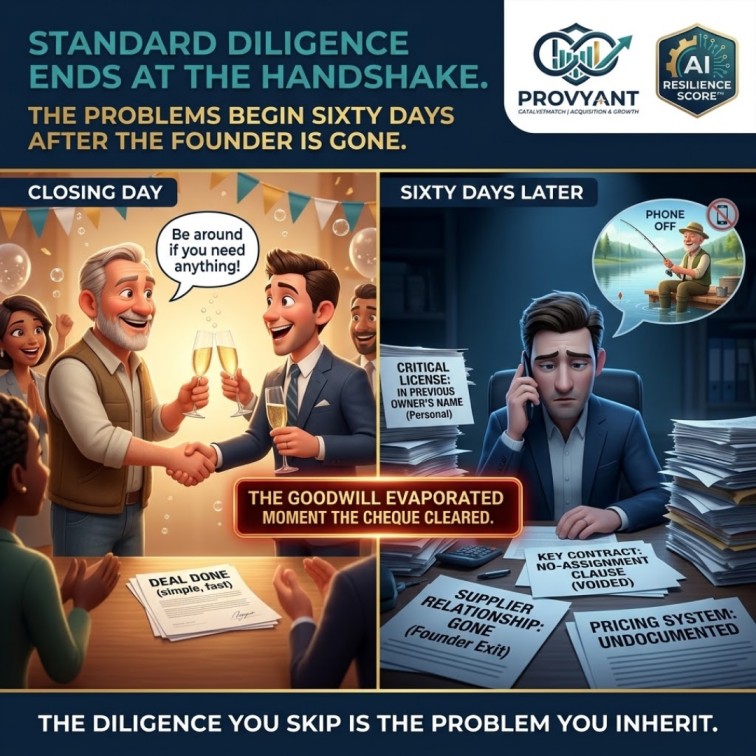
A buyer in 2026 is not just looking at revenue. They are looking at what makes a business AI-resilient and why operational durability matters as much as top-line performance. The businesses that are founder-dependent and under-documented are the ones facing the steepest discounts and the narrowest buyer pools, regardless of how strong the underlying business actually is.
The Conversation Worth Having This Weekend
If you are sitting across from a father who built something this Father’s Day, the most meaningful thing you can ask him is not what he wants for dinner. It is whether he has a plan for what happens to the business when he is ready to walk away.
Not because the question is comfortable. It is not. But because the absence of that plan is the single greatest threat to the legacy he spent 30 years building. The business that closes because no one planned for the transition does not just affect the owner. It affects every employee, every supplier, every customer, and every community relationship built on the back of what that father created.
One in three Americans relies on income connected to a Baby Boomer-owned small business. The stakes of getting this transition right extend far beyond any individual family.
For the Fathers Who Are Ready to Think About What Comes Next
If you are a business owner approaching this conversation with any seriousness, the starting point is an honest assessment of where the business actually stands. How transferable is it? How dependent is it on you personally? What does its AI exposure look like? What would a qualified buyer see when they look at it?
The AI Resilience Score at provyant.com is designed to answer exactly those questions, giving business owners and their advisors a structured picture of where a business stands across operational durability, AI exposure, and transferability before the succession conversation becomes urgent.
To every father who built something with bare hands and borrowed time: what you created matters. Make sure it outlasts you.
Happy Father’s Day from the Provyant team.