
Halloween is the one time of year we willingly seek out things that frighten us. The haunted houses, the horror films, the costumes designed to make us jump. It is all in good fun, because deep down we know none of it is real.
The risks facing a business, on the other hand, are very real, and unlike the decorations, some of them are genuinely worth losing sleep over. So in the spirit of the season, here is a look at the business risks that should actually scare you this year. The good news, as with most things that go bump in the night, is that they are far less frightening once you turn the lights on and look at them directly.
The Monster Under the Bed: Unmapped AI Exposure
The scariest risks are the ones you cannot see, and for most businesses, AI exposure is exactly that kind of hidden threat.
AI has surged into the top tier of global business concerns, rising to the number two risk in 2026 from number ten the year before, the biggest jump in the Allianz Risk Barometer’s rankings. It is now a growing risk for companies of all sizes, having moved into the top three for large, mid-sized, and smaller firms alike.
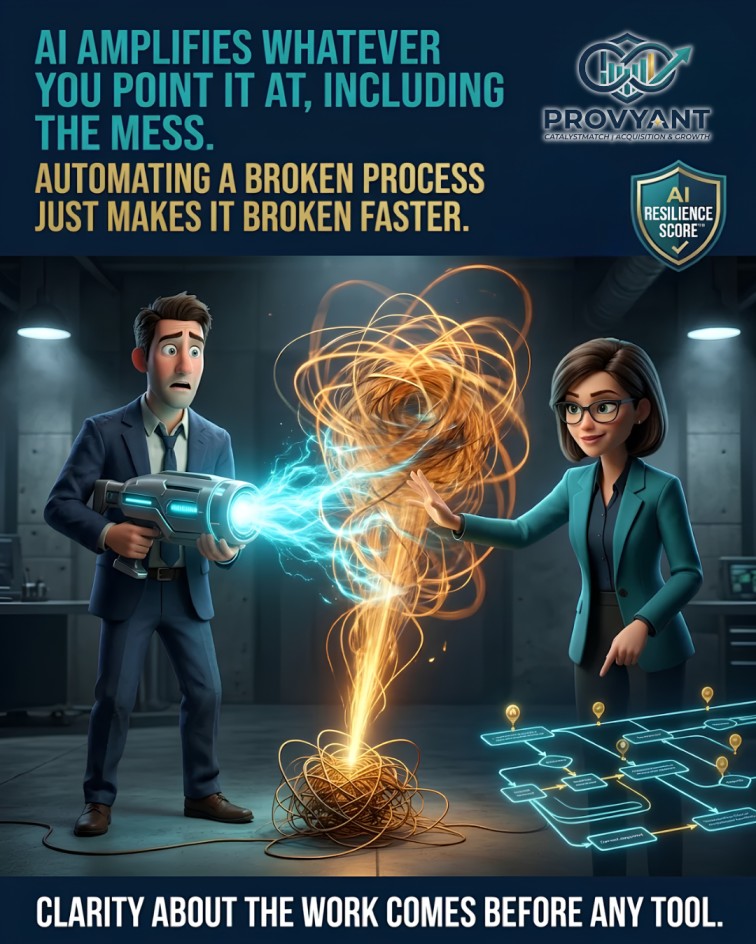
What makes AI exposure genuinely frightening is that it often goes unmeasured. A business can be deeply dependent on AI tools, or quietly exposed to having its core service commoditised by them, without ever having assessed the risk. As Provyant has outlined in its analysis of the operational risk nobody puts in their annual report, the danger is not that AI risk exists. It is that so few businesses have looked closely enough to name their own exposure. The monster under the bed is only scary until you check.
The Thing in the Shadows: AI-Powered Cyber Threats
If there is one risk that has genuinely earned its place in the horror category this year, it is the new generation of AI-powered cyberattacks aimed squarely at smaller businesses.
The single biggest cybersecurity threat in 2026 is AI-powered phishing and social engineering, with attackers using generative AI to write flawless, highly personalised emails, clone voices, and even fake video calls. The old advice about spotting typos and bad grammar has become nearly useless. And smaller businesses are firmly in the crosshairs, with roughly 43 percent of cyberattacks hitting businesses with fewer than 250 employees.
The vulnerability is compounded by preparation gaps. Recent research shows that 15.5% of SMBs still lack a cyber strategy entirely as they enter 2026, meaning nearly two in ten organisations are exposed to potentially devastating impacts every single day. This is a real monster, but like most of them, it is defeated by preparation: multi-factor authentication, employee training, and basic security hygiene close most of the doors attackers use.
The Curse Nobody Talks About: No Succession Plan
Some risks are dramatic and sudden. Others are slow-building curses that do their damage quietly over years, and the absence of a succession plan is exactly that kind.
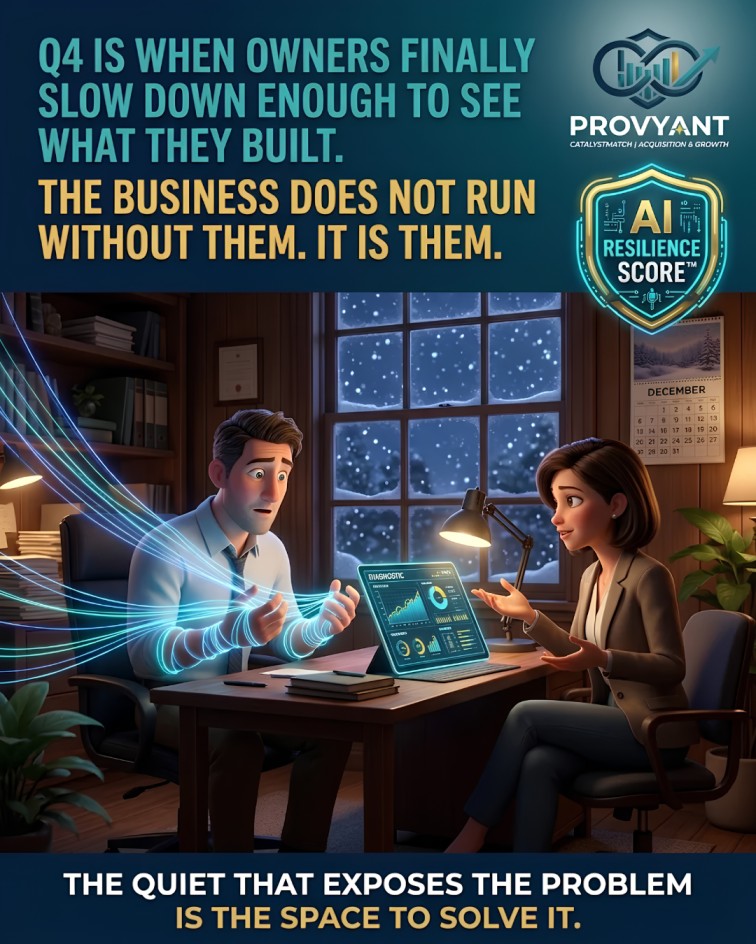
For a huge share of business owners approaching retirement, there is no plan for what happens to the business when they step back. It is the risk that does not announce itself, right up until the moment it becomes an emergency. A business with no documented operations, no identified successor, and no transition strategy is a business whose value can evaporate the moment its owner is ready to leave.
As Provyant has explored across its work on the Silver Tsunami, this is one of the most consequential and least discussed risks facing small business owners today. And like every good curse, it is entirely avoidable with the right preparation done early enough.
The Jump Scare: AI Liability You Did Not See Coming
Then there is the risk that hides until the last second and then leaps out: the liability that comes from using AI without understanding the exposure it creates.
Many small businesses now rely on generative AI for marketing, customer service, or coding, and these tools can generate inaccurate information, sometimes called AI hallucinations, which, if published or acted on, may result in negligence claims. When an AI-generated logo or text infringes on existing intellectual property, it is the business, not the AI provider, that bears responsibility. Traditional liability policies were not designed for algorithmic errors, leaving owners exposed to what amounts to digital malpractice.
This is the jump scare of the AI era: a risk that feels invisible right up until it surprises you. The defence is straightforward, requiring human review of AI-generated content and an honest understanding of where the business’s AI use creates exposure.
Turn On the Lights
The thing about the risks that should actually scare you is that they lose most of their power the moment you look at them directly. Unmapped AI exposure, cyber threats, missing succession plans, and AI liability are genuinely serious, but none of them are the unbeatable monsters they appear to be in the dark. Each one is manageable with honest assessment and deliberate preparation.
That is the real message of the season. The businesses that get scared into action, that turn on the lights and look at their risks clearly, are the ones that sleep soundly the rest of the year. The AI Resilience Score at provyant.com gives business owners the structured framework to assess exactly these risks across AI exposure, operational durability, and continuity. Because the scariest risk of all is the one you never looked at. Happy Halloween from all of us at Provyant.